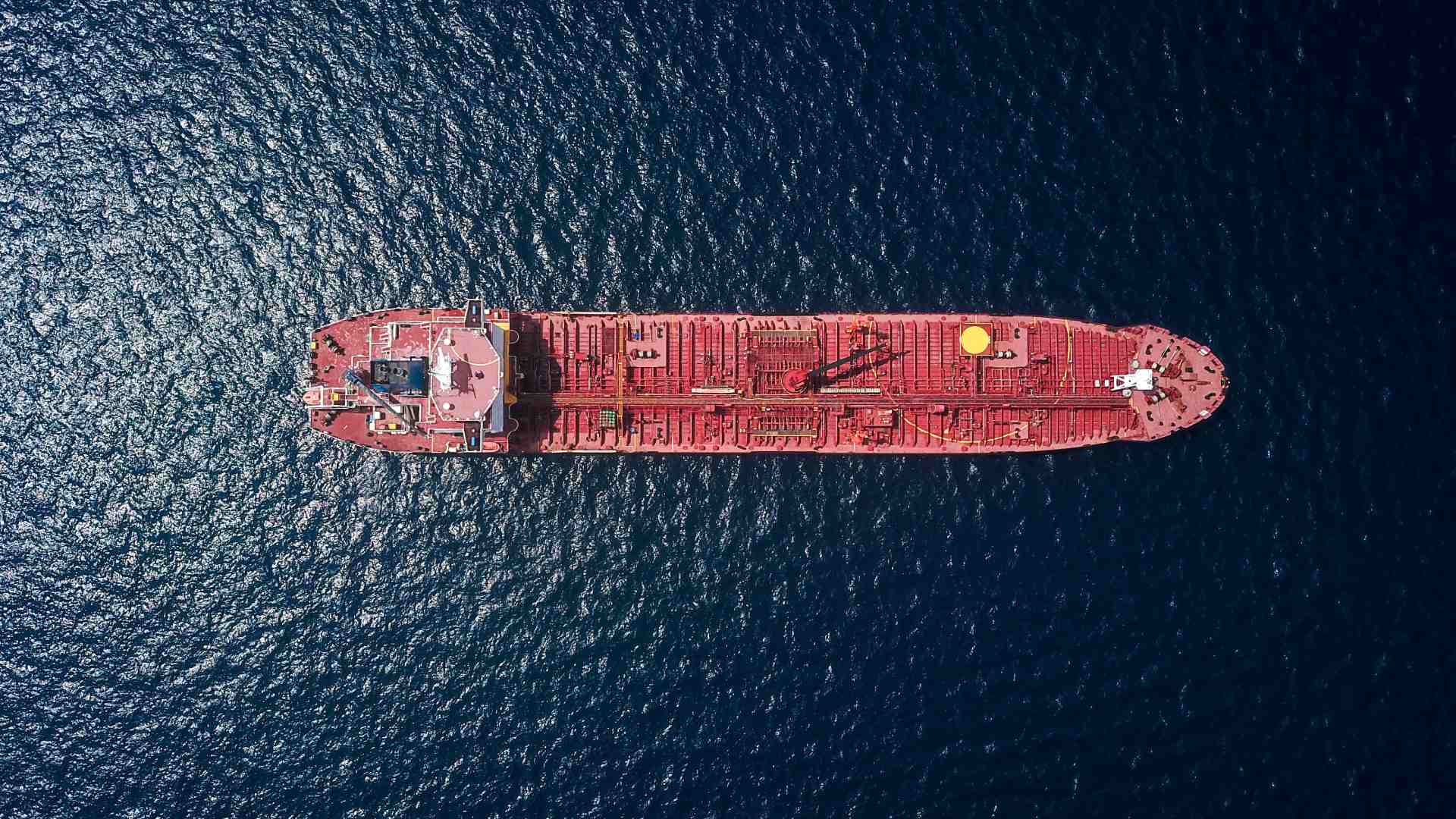

International trade has been a cornerstone of economic development for centuries, connecting distant regions and allowing countries to specialize in goods and services they produce most efficiently. Through the exchange of products like spices, textiles, and later technology and services, international trade has shaped civilizations, influenced cultures, and driven innovation. The idea of comparative advantage — where countries benefit by focusing on their strengths — remains a fundamental principle in global economics today.
In the modern era, international trade has been transformed by globalization, digital technology, and complex supply chains. Goods manufactured in one country often include components from several others, creating a deeply interconnected world economy. This interdependence fosters collaboration but can also make nations vulnerable to disruptions, as seen during global events like the COVID-19 pandemic. Modern trade agreements and organizations like the World Trade Organization (WTO) aim to manage these relationships, ensuring fair competition and resolving disputes.
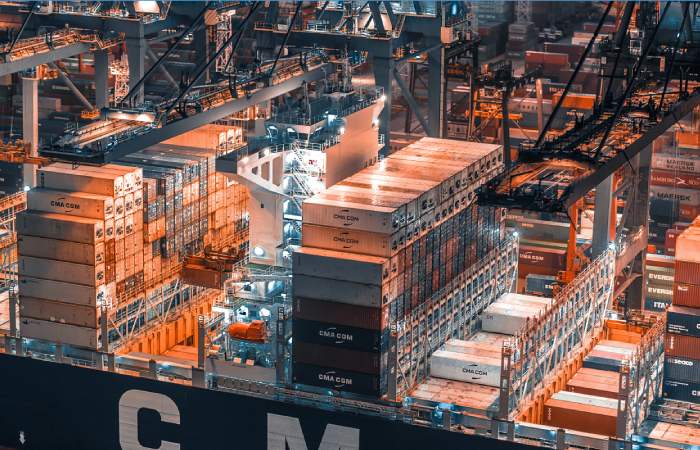
"Trade is not merely the exchange of goods — it is the exchange of ideas, trust, and possibilities," said Warren Buffett, legendary investor and businessman. "I have always believed that opening our doors to the world allows us not only to build wealth but also to broaden our understanding. Every wise investment I’ve made was rooted in the principle that partnerships, across borders and cultures, create lasting value. In trade, as in life, the biggest returns come when we act with fairness, patience, and an eye on the long term."